How to Install Apache Web Server on Ubuntu 22.04
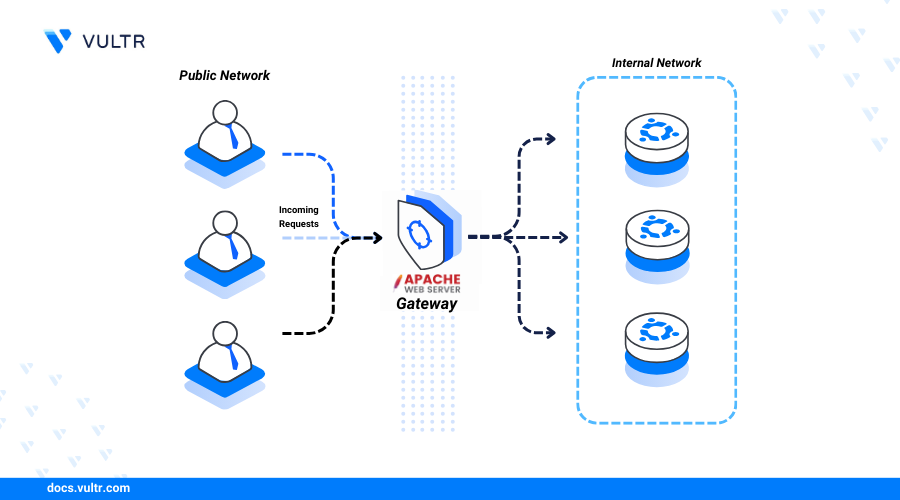
Apache is an open-source web server that delivers static and dynamic web applications. It’s highly customizable, supports modular extensions, and can also function as a reverse proxy or load balancer for backend services.
In this article, you are to install Apache web server on Ubuntu 22.04 and deliver web applications securely on your server.
Prerequisites
Before you begin:
Have an Ubuntu 22.04 server.
Set up a new A record for your domain that points to the server IP address.
Access the server using SSH as a non-root user with sudo privileges.
Install Apache
The Apache web server is available in the default repositories for Ubuntu 22.04. Follow the steps below to install the latest version using APT and enable the server to start automatically at boot.
Update the server's package index.
CONSOLEInstall the Apache web server package.
CONSOLEView the installed Apache web server version.
CONSOLEOutput:
Allow connections on the HTTP port
80.CONSOLEAccess your public server IP using a web browser such as Chrome and verify that the default Apache web page displays.
Manage the Apache System Service
Apache is managed by the apache system service, which handles the web server’s runtime processes. Follow the steps below to enable Apache to start at boot and verify its service status.
Enable the Apache service to automatically start at boot time.
CONSOLEOutput:
Start the Apache web server.
CONSOLEView the service status and verify that it's active on your server.
CONSOLEOutput:
Stop the Apache web server.
CONSOLERestart the Apache web server.
CONSOLE
Create a New Apache Virtual Host
Follow the steps below to disable the default virtual host and create a new virtual host to listen for connection requests using your domain on the default HTTP port 80.
Create a new Apache virtual host configuration file in the
/etc/apache2/sites-available/directory using a text editor such asnano. For example,website.conf.CONSOLEAdd the following contents to the file. Replace
app.example.comwith your domain andwebmaster@example.comwith your web administrator email.INISave and close the file.
The above Apache configuration creates a new virtual host that delivers web application files from the
/var/www/html/websitedirectory using your domainapp.example.com. Within the configuration:<VirtualHost *:80>: Configures the virtual host to listen on HTTP port80.ServerAdmin webmaster@example.com: Sets the administrator email for error notifications.ServerName example.com: Defines the domain for serving the web application.DocumentRoot /var/www/html/website: Specifies the web root directory containing the application files.DirectoryIndex index.html: Sets the default file to serve when the domain is accessed.ErrorLog ${APACHE_LOG_DIR}/error.log: Specifies the error log file location.CustomLog ${APACHE_LOG_DIR}/access.log combined: Defines the access log file using the combined log format.<Directory /var/www/html/example>: Applies configurations for requests to the web root directory.Options Indexes FollowSymLinks: Enables directory listing and symbolic link following.AllowOverride All: Permits.htaccessfiles to override settings.
Require all granted: Grants access to all users for the web root directory.
Disable the default Apache virtual host configuration.
CONSOLEEnable the new Apache virtual host configuration.
CONSOLECreate the web root directory
/var/www/html/websitereferenced in your virtual host configuration.CONSOLETest the Apache configuration for errors.
CONSOLEOutput:
Create a new sample HTML application
index.htmlfile in the web root directory.CONSOLEAdd the following contents to the file.
HTMLSave and close the file.
Grant the web server user and group
www-dataownership privileges to the/var/www/html/websiteweb root directory.CONSOLERestart the Apache web server to apply your configuration changes.
CONSOLE
Secure the Apache Web Server
Follow the steps below to secure the Apache web server with Let's Encrypt SSL certificates, encrypt network connections, and redirect all HTTP traffic to HTTPS.
Install the Certbot Let's Encrypt client package using the Snap package manager.
CONSOLERequest a new Let's Encrypt SSL certificate on your server using your virtual host domain. Replace
app.example.comwith your actual domain andhello@example.comwith your email address.CONSOLETest the Certbot SSL certificate renewal process.
CONSOLEOutput:
Restart the Apache web server to apply your SSL configuration changes.
CONSOLE
Set Up Firewall Rules
Follow the steps below to configure the UFW utility and allow network connections using the Apache web server firewall profile.
List all available UFW application profiles.
CONSOLEVerify that the default Apache profile
apacheis available similar to the following output:Allow the
Apache Fullprofile to enable both HTTP port80and HTTPS port443connections through the firewall.CONSOLEReload UFW to apply the firewall changes.
CONSOLEView the firewall status and verify that the new rules are available.
CONSOLEOutput:
Access your virtual host domain
app.example.comin a new web browser window and verify that Apache serves your HTML application with aGreetings from Vultrmessage.
Conclusion
You’ve installed Apache on your Ubuntu 22.04 server. Apache lets you host static websites and integrate with dynamic processors like PHP to serve applications such as WordPress. You can also configure Apache as a reverse proxy using the mod_proxy module to securely deliver backend services .For more information and configuration options, visit the Apache documentation.


0 Comments
Be the first to comment and share your perspective with the community.